
January often starts with full gym bags, stocked fridges, and big promises. A few weeks later, the workouts slip, the snacks creep back in, and the plan feels far too hard to keep. Most of us do not need more willpower; we need a way to eat and train that fits real life.
That is where our guide on 2026 Workout Nutrition: Fuel Your Goals (Easy & Sustainable Plan) comes in. At Fitness Gyming, we focus on simple structure instead of strict rules. We bring workout nutrition, gym sessions, home training, and mental well-being together so the pieces support each other instead of fighting for time and energy.
Whether someone is lifting for the first time, running a half marathon, training in the living room, or managing changing hormones after fifty, the basics stay the same. Smart fuel, steady habits, and kind tracking beat short bursts of extreme effort every time. In this article, we walk through how to build a realistic base, plan daily meals, eat around workouts, and measure what really matters so progress feels steady and doable all through 2026.
Key Takeaways
Small, repeatable habits beat strict diets that burn out fast. When food choices feel simple, they are easier to keep, and that is how long-term change happens.
Pairing protein with fiber-rich carbohydrates helps mood, energy, and workout performance. This mix keeps hunger steady and cuts the urge to over-snack.
Food choices before and after training shape strength, recovery, and confidence. Even one snack change can help a session feel better. Over weeks, that difference adds up.
Tracking strength, energy, and how clothes fit tells more than the scale alone. Simple check-ins keep motivation alive and show when a small nutrition tweak is needed.
“You do not rise to the level of your goals. You fall to the level of your systems.” — James Clear, author of Atomic Habits
Good workout nutrition is one of those systems. Set it up well, and your training gets much easier to keep.
Build a Realistic 2026 Nutrition Foundation

Before we change what we eat, we need a clear picture of how we eat now. That means looking at a normal week, not the best or worst version. How often do we skip meals, grab takeout, or forget to drink water? This honest view gives us a solid place to start.
Research shared in the Journal of Obesity shows that slow, steady changes are more likely to last than big overnight shifts — a principle supported by resources like these 12 realistic weight loss resolutions built around sustainable habit formation. Another study in the European Journal of Social Psychology found that a new habit feels automatic after about sixty-six days, not three weeks. So if a plan demands five new food rules at once, it will feel heavy and tiring. One or two focused habits fit our brains much better.
You can start by asking yourself:
When do I feel most hungry during the day?
Where do I tend to snack without thinking?
Which meals are rushed, skipped, or built from convenience food?
A quick food log for three to five days, even just in your phone notes, will often reveal clear patterns.
We like to break the year into four simple stages so each one has a clear focus, an approach that aligns with emerging 18 wellness trends for 2026 centered on sustainable, incremental lifestyle shifts.
Q1 builds steady meal timing and basic structure. We choose when we eat and stick to it most days. That lowers random snacking and endless food decisions.
Q2 adds one skill such as tracking protein or planning two dinners ahead. We keep our Q1 habits going while adding this new layer so progress feels steady without feeling packed.
Q3 shifts attention to hydration and sleep as quiet helpers of nutrition. We notice how water and rest change hunger and energy. These support every food choice we make.
Q4 reviews what worked, what slipped, and what still feels hard. We keep the habits that fit real life and adjust the ones that did not. The goal is a plan that feels natural, not forced.
“Appropriate nutrition is an essential component of optimal athletic performance.” — American College of Sports Medicine, Position Stand on Nutrition and Athletic Performance
Life will always bring travel, stress, and sick days. Flexibility is not failure; it is protection. At Fitness Gyming, we design guidance so beginners, women over fifty, busy parents, and runners can bend their routines without giving up. We do not have to change everything at once. We just have to start with one change we can repeat.
Structure Your Daily Meals for Consistent Energy
A loose, random eating day makes every food choice feel like work. A simple meal structure makes choices faster and calmer. When we know roughly when and what we eat, we save willpower for harder parts of life, not for every snack.
Four common issues tend to knock people off track, no matter their fitness level:
Nighttime snacking often shows up when dinner was light or stress was high. Setting a kitchen closing time, such as after eight in the evening, helps stop endless grazing. Brushing teeth right after dinner sends a clear signal that eating is done.
Overeating happens more when we nibble all day. Planning three solid meals with very few snacks cuts down on emotional picking. Fewer food decisions usually mean better portions and less mindless eating.
Dehydration can feel like hunger or low mood. A simple target is half of body weight in ounces of water across the day. Keeping a large bottle in sight while working or watching TV makes this almost automatic.
Unbalanced meals cause blood sugar spikes and crashes. Pairing protein with fiber-rich carbohydrates gives smoother energy and better focus. This mix also keeps us fuller between meals.
From there, we can plug in fast meal pairings that work with busy lives. Here are some simple ideas that cover protein, carbohydrates, and fiber:
Greek yogurt with berries plus a drizzle of honey and some granola offers protein, carbs, and fiber in one bowl.
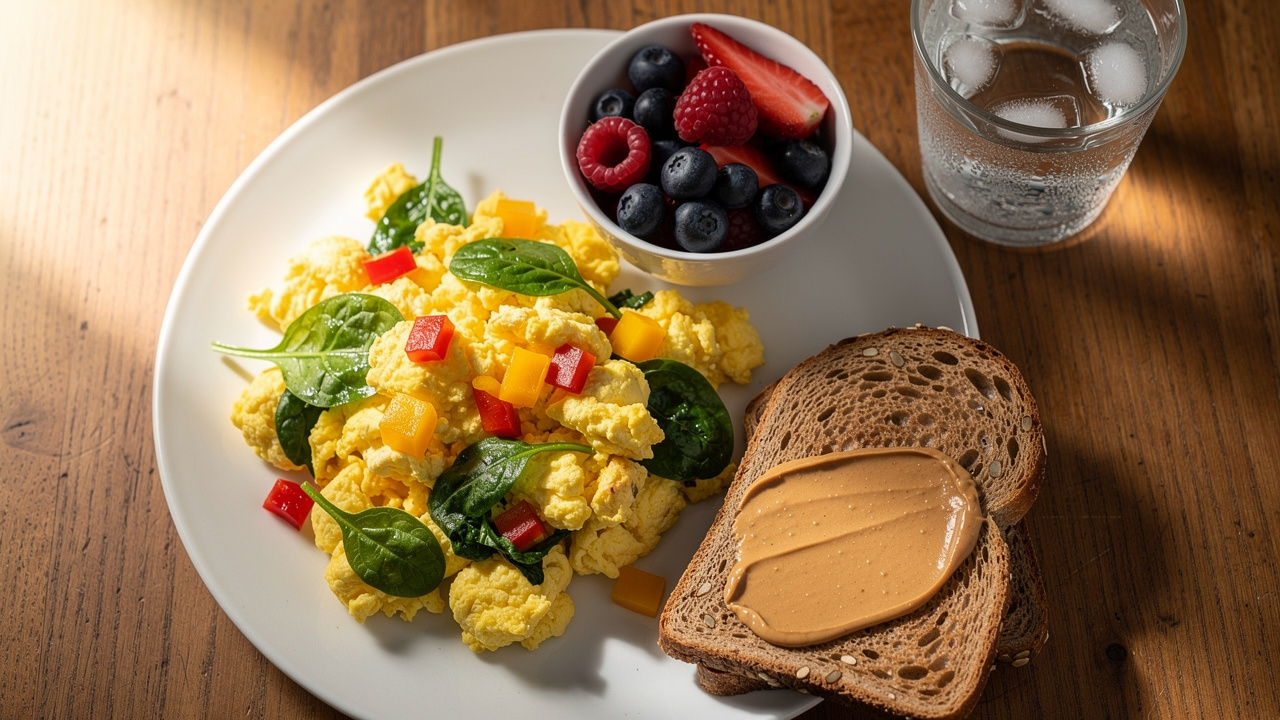
Eggs with spinach and peppers turn a simple breakfast into a long-lasting fuel plate that keeps you focused through the morning.
Whole grain crackers with peanut butter make a compact snack that keeps hunger away between meetings or errands.
A warm bowl of lentil soup with a side salad works for plant-based comfort on busy nights and reheats well the next day.
Adding more beans, lentils, and other legumes is a quiet power move for health. They bring fiber, plant protein, and a lot of staying power for very little cost. Many people notice within a week that balanced meals and better plants lead to fewer cravings, less afternoon fog, and more steady effort in the gym or during walks.
If this feels like a lot, start small: pick one meal, such as breakfast, and make it the same balanced pattern most days. Once that feels easy, move on to lunch or dinner.
Fuel Smarter Around Your Workouts
What we eat during the whole day matters, but the food right before and after a session can make that session feel much better or much worse. We do not need fancy powders or strict timing rules. We just need to give the body what it uses most during exercise.
Before a workout, the main goal is easy energy that sits well in the stomach. Light carbohydrates thirty to sixty minutes before training work well for most people. Heavy fat or huge meals can slow digestion and lead to cramps or sluggish legs. A small amount of protein can help steady blood sugar and prevent later energy dips.
Good pre-workout snack ideas include:
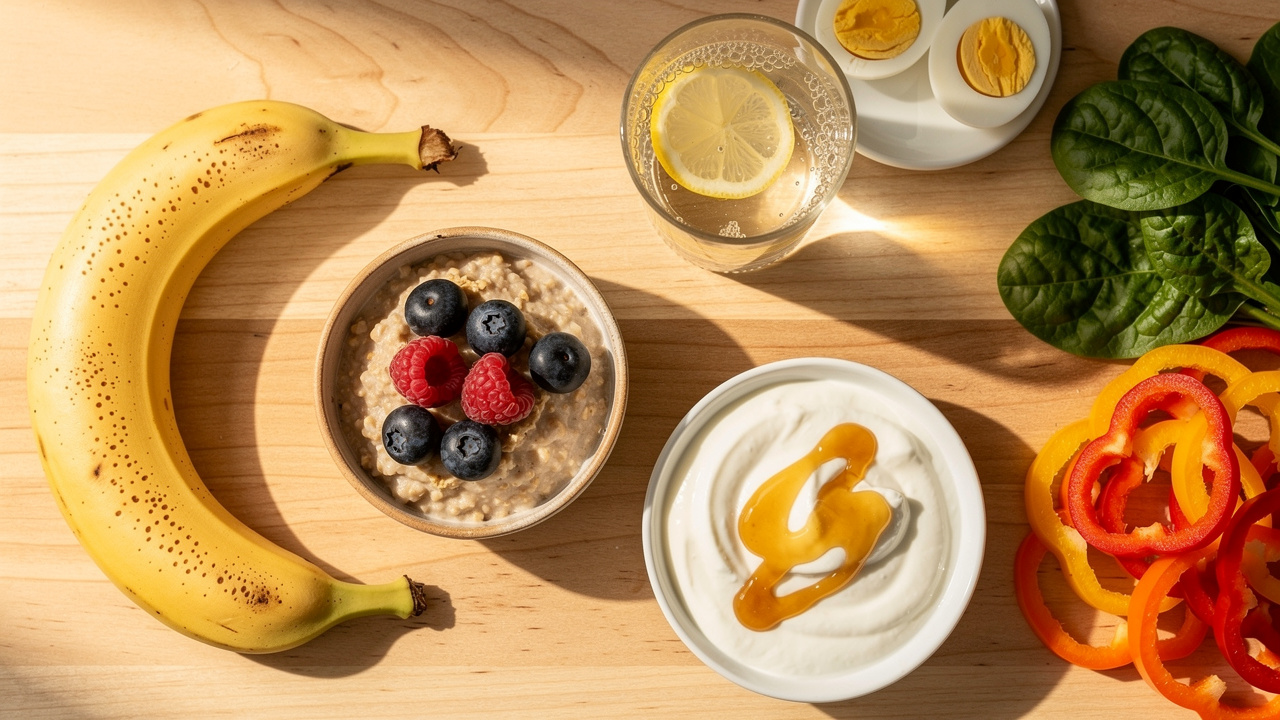
A ripe banana is fast, portable, and gentle on the stomach. It offers quick carbohydrates for muscles along with a little potassium. Adding a handful of nuts on the side brings some protein without feeling heavy.
A small bowl of oatmeal with fruit is helpful before morning workouts. The oats give slow-releasing carbs, while the fruit adds quick fuel. A scoop of yogurt can round out the protein.
One or two slices of toast with a thin spread of jam work before shorter sessions. The bread and jam give simple carbs that the body can use right away. For longer efforts, we can add a slice of turkey or cheese.
Do not forget fluids. Sipping water in the hour before training usually covers hydration for most gym sessions. If you sweat heavily or train in heat for more than an hour, a drink with electrolytes can help you feel better during and after the workout.
After a workout, the focus shifts to rebuilding and refilling. Muscles use up stored glycogen and pick up tiny bits of damage while we move. Protein helps repair those fibers, and carbohydrates refill the tank for the next session. There is no need to panic about a strict thirty-minute window, but eating within a couple of hours helps most people feel better and less sore.
Many active people aim for:
About 20–30 grams of protein after most workouts
A serving or two of carbohydrates, such as fruit, rice, oats, or potatoes
Easy post-workout meal ideas include:
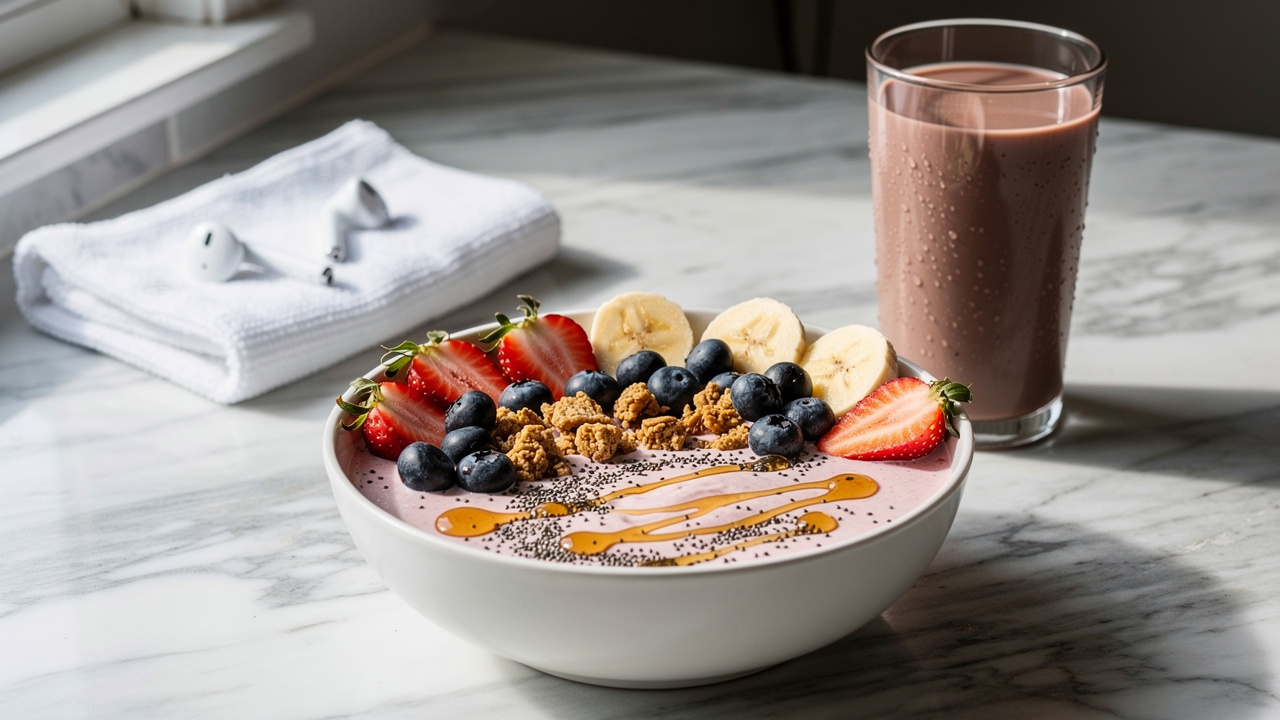
A smoothie made from milk or a milk alternative, fruit, and a scoop of protein powder is quick to drink. It cools the body down, goes down easily, and is easy to adjust in size. Frozen berries or bananas keep it thick and satisfying.
Chocolate milk brings carbs and protein in one simple drink. Many runners like it after long miles because it is easy on a tired stomach. We can pair it with a banana or a small sandwich for more staying power.
A plate with chicken, salmon, or tofu plus a baked sweet potato and vegetables makes a strong post-workout meal. The protein helps muscle repair, the carbs refill energy stores, and the veggies support health and digestion.
These same ideas work for someone following a home video, lifting weights at the gym, or training for a half marathon. At Fitness Gyming, we show how to adjust portion sizes and timing for beginners, women over fifty, and seasoned athletes so workout nutrition feels personal without feeling complicated.
Track Your Progress and Stay Accountable
A plan that only lives in our head is easy to ignore. When we track what matters, we see proof that small changes in food and training are working. That proof keeps us showing up when life feels busy or progress feels slow.
“What gets measured gets managed.” — Peter Drucker
The scale is just one small piece of feedback and often a noisy one. Other markers tell a richer story:
Body composition shifts, such as more muscle and less fat, often show progress even when weight barely moves. Simple tools at gyms or even photos in the same clothes can highlight these changes. Seeing muscle lines appear can be very motivating.
Strength benchmarks, like how many push-ups we can do or what we can deadlift, show how our fuel supports performance. Writing these numbers down after each training block makes progress clear. Over months, tiny bumps add up.
Daily energy gives real-life feedback on our plan. If afternoons feel smoother and evenings less drained, our meals are likely working. This matters just as much as any number.
Sleep quality often improves when nutrition and hydration improve. We can note how long it took to fall asleep and how rested we felt on waking. Simple notes in a phone or notebook work well.
How clothes fit can beat any chart. Looser waistbands, smoother sleeves, or more comfort in jeans show fat loss and muscle gain. These signs feel positive and personal.
Accountability keeps all of this moving forward. Scheduling a short check-in every quarter, alone or with a coach, gives us time to review habits and adjust food choices. A paper calendar or wall habit tracker where we mark each workout or planned meal is another strong tool; long streaks feel rewarding and push us to keep going. Sharing goals with a friend, small group, or the Fitness Gyming community adds support, advice, and a bit of friendly pressure. When progress stalls, we often find that a small change in workout nutrition gets things moving again.
FAQs
What Should I Eat Before A Workout For The Best Energy?
The simplest choice is a small, carb-rich snack thirty to sixty minutes before exercise. A banana, a small bowl of oatmeal, or toast with a light spread of jam all work well. Adding a little protein, such as yogurt or nut butter, can steady energy even more.
How Much Protein Do I Need Per Day To Support My Workouts?
A general guide for active people is around 0.7 to 1 gram of protein per pound of body weight. Someone who weighs 150 pounds might aim for about 100 to 150 grams per day. Older adults, especially women over fifty, often benefit from the higher end of that range. A registered dietitian can give personal advice.
Is Workout Nutrition Different For Beginners Versus Experienced Athletes?
The core ideas stay the same for everyone. Balanced meals, enough protein, and good hydration support any level. More advanced lifters or endurance runners may need more total calories and slightly more careful timing. For beginners, the most helpful step is sticking to simple, repeatable habits first.
How Do I Stay Consistent With A Nutrition Plan When Life Gets Busy?
Keeping structure simple makes a huge difference. Three balanced meals, a clear water goal, and a kitchen cutoff time work even on busy days. Light meal prep, like cooking a pot of lentils or chopping vegetables once or twice a week, keeps fast options ready. One off day does not erase progress, so we get back to our plan at the next meal.